COMSIP COOPERATIVE
UNION LIMITED
NEWS
SSRLP Mission Engages Project Participants in Thyolo and Mwanza
By Mercy Chaluma
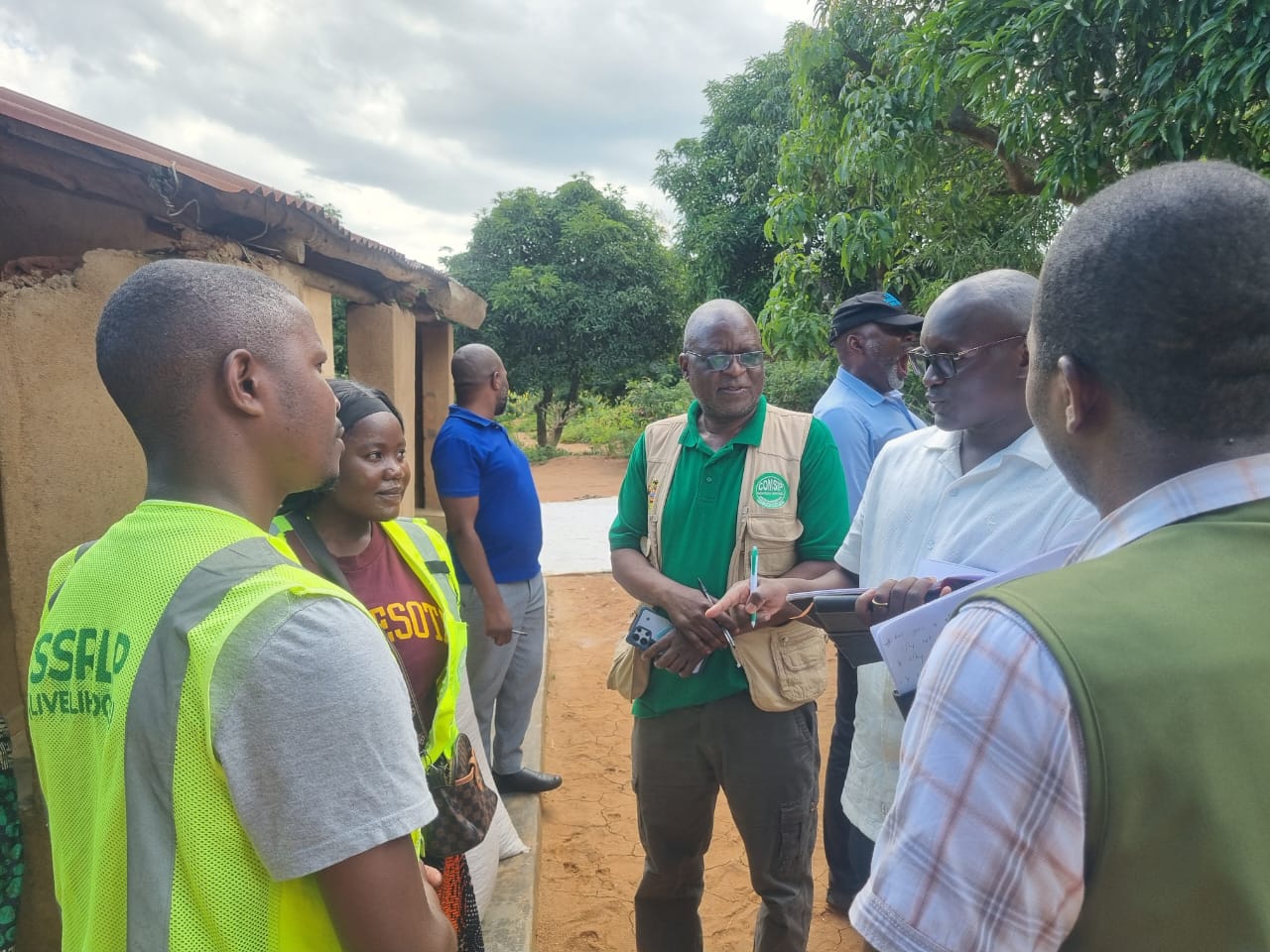
Stakeholders in the implementation of the Social Support for Resilient Livelihoods Project (SSRLP) Tidzidalire, including the World Bank, NLGFC, Ministry of Finance & Economic Planning, Department of Youth, and other partners, visited project participants in Thyolo and Mwanza districts today to appreciate progress and implementation of the project.
COMSIP savings and loan groups in T/A Nchilamwera in Thyolo District and Tulonkhondo catchment in T/A Kanduku in Mwanza District were among the key sites visited, where beneficiaries showcased the impact of savings, loans, and livelihood interventions.
In Thyolo, the team, led by the SSRLP Task Team Leader at the World Bank, Chipo Msowoya, also visited two households under the Social Cash Transfer Programme and engaged with beneficiaries from both the Social Cash Transfer and Climate Smart interventions.
Speaking during the visit, Msowoya commended the progress observed across the project sites:
“It is truly impressive to see how communities are transforming opportunities under SSRLP into real, sustainable livelihoods. The level of commitment and innovation from beneficiaries shows that the project is making a meaningful difference,” said Chipo Msowoya, SSRLP Task Team Leader at the World Bank.
The teams expressed satisfaction with the progress and impact observed, noting valuable lessons drawn from both districts.
One standout success story from T/A Nchilamwera was of a COMSIP member who borrowed MK2 million from her savings and loan group and topped up her savings to invest in a maize mill business, which is now generating up to MK500,000 per month. She has since repaid the loan.
The COMSIP clusters visited have undergone comprehensive capacity building in mindset change, including financial literacy, business management, gender and household decision-making, nutrition, health and sanitation, and climate-smart agriculture practices such as Mbeya fertilizer making and application.
Overall, the clusters continue to demonstrate strong savings culture and investment behaviour, with members actively engaging in small-scale enterprises that are strengthening income generation, financial independence, and resilience at household level.
Leave a Reply